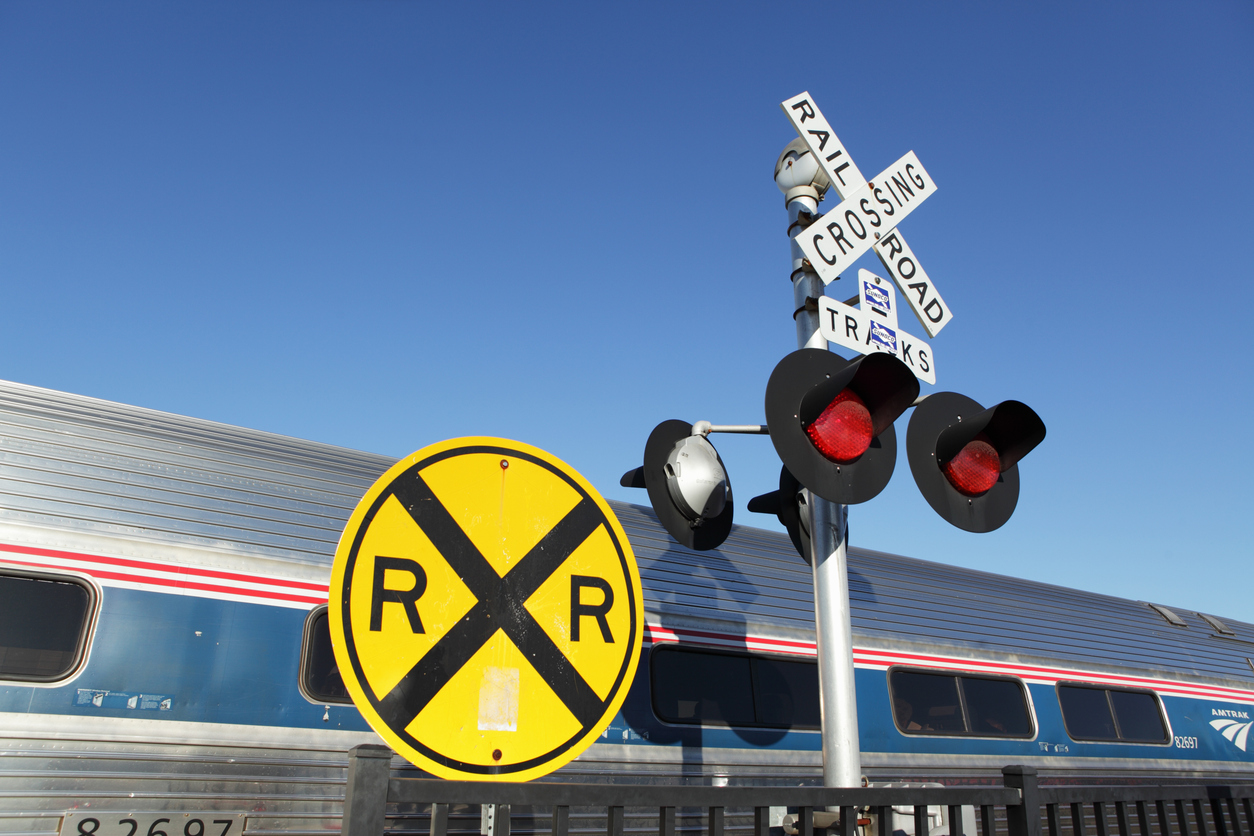
Train and commercial truck accidents are among the most serious collisions on the road. When they happen, victims are often left dealing with severe injuries, multiple insurance companies, and unclear answers about who is responsible.
A recent crash in Missouri City, Texas, where an Amtrak train collided with an 18-wheeler, highlights how complex these cases can become.
If you were involved in a train and truck accident, or are trying to understand your legal options, this guide breaks down what matters most.
Who Is Liable in a Train vs. Truck Accident
Liability in these cases is rarely straightforward.
Multiple parties may be responsible, including:
-
The truck driver
-
The trucking company
-
The railroad company or train operator
-
Contractors responsible for track maintenance or signaling
-
Government entities responsible for road design or crossings
Each party may have its own insurance coverage and legal defense strategy.
Determining fault requires a detailed investigation.
Why Train and 18-Wheeler Accidents Are Different
These are not typical car accident cases.
Train collisions involve:
-
Federal transportation regulations
-
Large corporate defendants
-
High-value insurance policies
-
Rapid-response investigation teams
Evidence is often collected immediately after the crash. In many cases, companies begin building their defense within hours.
That is why victims are often at a disadvantage early on.
What Happens After a Train Crash Injury
After a serious accident like this, most people are not thinking about hiring a lawyer right away. They are trying to understand what just happened.
Common concerns include:
-
Why did this happen at a railroad crossing
-
Who is responsible for the crash
-
Why insurance companies are calling so quickly
-
Whether they are required to give a statement
-
What their injuries may mean long-term
These questions are normal, but the answers can directly impact your case.
After major collisions, information can spread quickly through police reports, dispatch systems, and insurance networks.
You may receive calls from:
Speaking with them without legal guidance can affect your ability to recover compensation.
What To Do After a Train vs. Truck Accident
If you were involved in a crash involving a train and a commercial truck, your next steps matter.
-
Seek medical care immediately
-
Avoid giving recorded statements to insurance companies
-
Preserve any photos, videos, or witness information
-
Do not post details about the accident online
-
Speak with an attorney as soon as possible
Early decisions can impact the outcome of your case.
Missouri City Train Crash: What This Case Shows
The recent Missouri City crash involving an Amtrak train and an 18-wheeler reflects how quickly these incidents can escalate.
Investigators will likely examine:
-
Whether the truck was able to clear the crossing
-
Whether signals and warning systems were functioning
-
Traffic conditions at the time of the crash
-
The actions of both the truck driver and train operator
Cases like this often involve multiple layers of liability and require a thorough investigation.
Amaro Law Firm Handles Train and Truck Accident Cases
Amaro Law Firm represents victims in complex accident cases involving:
These cases require experience, resources, and the ability to take on large companies and insurers.
Speak With a Lawyer About Your Case
If you were injured in a train vs. truck accident, you may be entitled to compensation.
Understanding your options early can make a significant difference.
Contact Amaro Law Firm today for a free consultation.
FAQs
What causes a train to collide with an 18-wheeler at a crossing?
Most crashes happen when a truck cannot fully clear the tracks due to traffic, poor visibility, or timing issues. Investigators also examine whether warning signals, crossing arms, and road design contributed to the collision.
Who is usually at fault in a train vs. truck accident?
Fault is not always obvious. Liability may involve the truck driver, the trucking company, the railroad operator, or even a government entity responsible for the crossing. These cases often involve multiple parties.
Can Amtrak or a railroad company be sued after a crash?
Yes. Railroad companies can be held responsible if negligence played a role, such as failure to maintain crossings, signal issues, or operator error. These cases may involve federal regulations and require detailed investigation.
What should I do if I was injured in a train accident in Texas?
Seek medical attention immediately, avoid speaking with insurance companies without legal guidance, preserve any evidence you have, and consult an attorney as soon as possible.
Why are insurance companies contacting me after the accident?
After serious crashes, information spreads quickly through reports and databases. Insurance companies often reach out early to gather statements, but speaking with them without legal advice can affect your claim.
Do I have to give a recorded statement after a train accident?
No. You are not required to give a recorded statement to an insurance company without legal guidance. Doing so too early can harm your case.
Can I file a claim if I was a passenger on the train?
Yes. Injured passengers may have claims against multiple parties, depending on what caused the crash.
What if I was not on the train but was injured nearby?
You may still have a valid claim. Pedestrians, nearby drivers, or others affected by the crash can pursue compensation depending on the circumstances.
How long do I have to file a claim in Texas?
In most cases, you have two years from the date of the accident. However, deadlines can be shorter if a government entity is involved, so acting early is important.
What damages can I recover after a train accident?
You may be able to recover compensation for medical expenses, lost income, pain and suffering, and long-term care needs.